
Where Our Water Comes From
Welcome to Part 1 of a new education series designed to help our community understand where our water comes from, how growth is affecting supply, and what it means for the future of North Texas
Where Our Water Comes From
Growth in North Texas is easy to see. New neighborhoods, schools, and businesses seem to appear almost every day, and with each new arrival comes a greater demand for water. What is harder to see is the pressure this continued growth places on the region’s water supply. More than 124,000 people depend on Mustang for water, and that number will continue to rise as the communities we serve grow.
Mustang’s service area includes parts of Collin, Denton, and Grayson counties, which are among the fastest growing in the country. Collin County is the second fastest growing county in the United States, and its population is projected to reach 1.4 million by 2030 and between 2.2 and 2.4 million by 2060, which would nearly double its current population. Denton and Grayson counties are experiencing similarly high growth rates, and ongoing expansion across these areas increases demand on shared water sources.
Meeting the needs of a fast-growing community depends on understanding where our water comes from and the limits of the sources that support our community’s daily needs.
Surface Water in a Growing Region
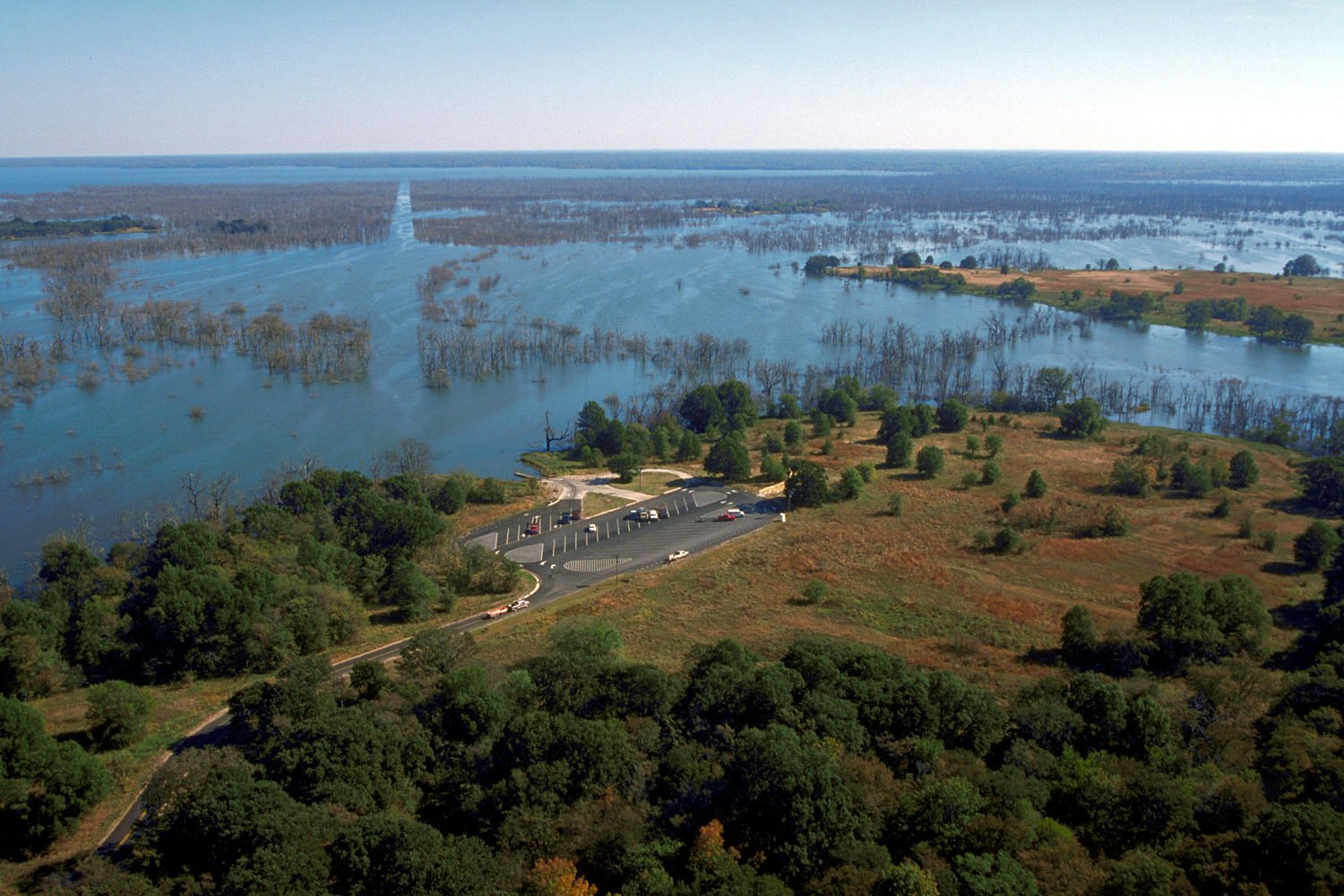
Surface water makes up about 60 percent of Mustang’s supply. It comes from lakes and reservoirs that collect rainfall and runoff from surrounding watersheds, which are the land areas where water naturally drains into these lakes. Regional entities obtain surface water rights from the state to serve local communities, and local retail providers pay for a share of the available surface water. Local surface water availability is already at or near its limits, which means there is very little unused lake water left to support rapid growth.
When rainfall is steady, surface water can be a dependable source. But in an area where population continues to climb, demand increases faster than lakes can refill, especially during dry periods or when booming communities share the same supply.
The Realities of Groundwater Supply
The remaining 40 percent of Mustang’s supply comes from groundwater stored in aquifers beneath the surface. These aquifers hold water in layers of sand, gravel, and rock. Wells bring this water to the surface, where it is conditioned and delivered to customers.
Groundwater has supported communities across Texas for generations, but it is being tested like never before. In many parts of North Texas, aquifer levels have been declining for years. Unlike lakes, which can refill after a single season of heavy rain, aquifers recharge slowly, sometimes over decades or even centuries. As more households and businesses move into the area, the strain on these underground formations creates real challenges for our water supply.
Planning for a Larger North Texas
As the population in North Texas continues to rise at a rapid rate, long-term planning becomes even more important. Many communities in the United States have faced similar challenges and responded with strategic planning and diversifying their water strategies. Understanding the limits of each water source helps guide responsible planning and encourages the community to use water wisely. Long-term reliability depends on recognizing that water is a finite resource that requires thoughtful stewardship.
At Mustang, we are committed to supporting safe, sustainable, and efficient water management so our communities can continue to count on Life’s Precious Resource.